Getting into space is really hard. It requires a lot of force to change the velocity of a rocket enough to move it into orbit, and the more massive the rocket is the harder it is to make it go fast. Because of this, staged rockets are the norm in modern spaceflight. But, as mentioned here, there are a lot of problems associated with staging. One way that some modern companies are using to get around these problems is assisted launch. This process involves two separate vehicles, an airplane and a rocket.
The concept of assisted launch is actually very old. Some of the first systems involved ground-based launch assist, or rocket sled launch. The basis of these launch systems was that a vehicle would be accelerated initially by a ground based system which would include a significant incline. A recoverable booster of some sort could give the rocket a large initial velocity before it left the ground, decreasing the velocity that needed to be provided by the actual vehicle. However, the cost of building a launch track with the length necessary to achieve a high pre-flight velocity has proved somewhat prohibitive.
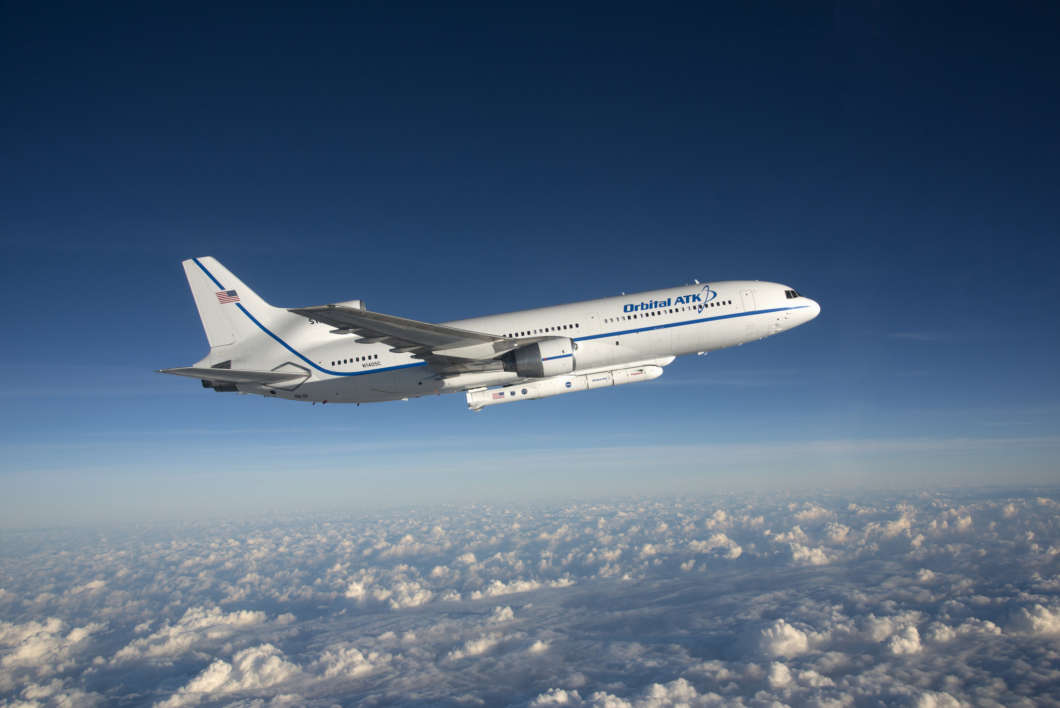
In contrast, the use of air launch to orbit systems has been a very popular notion, and is currently being employed by several companies. The first air launch systems were actually used for the first recorded manned supersonic flights of the Bell X-1. This rocket plane was launched from a B-29 Superfortress in order to allow it to save fuel. In 2004, Scaled Composites tested its experimental rocket SpaceShipOne, launched from the White Knight aircraft, and successfully achieved flight into space. Although it did not get into orbit (this would have required a 60 times increase in its peak velocity) it did bring the first civilian into the bounds of space. In 2006, the Lockheed L-1011 was used to help launch NASA’s Pegasus XL rocket (along with a payload of 6 GPS satellites) into orbit, demonstrating the validity of air launch to orbit as a way to propel satellites into space.
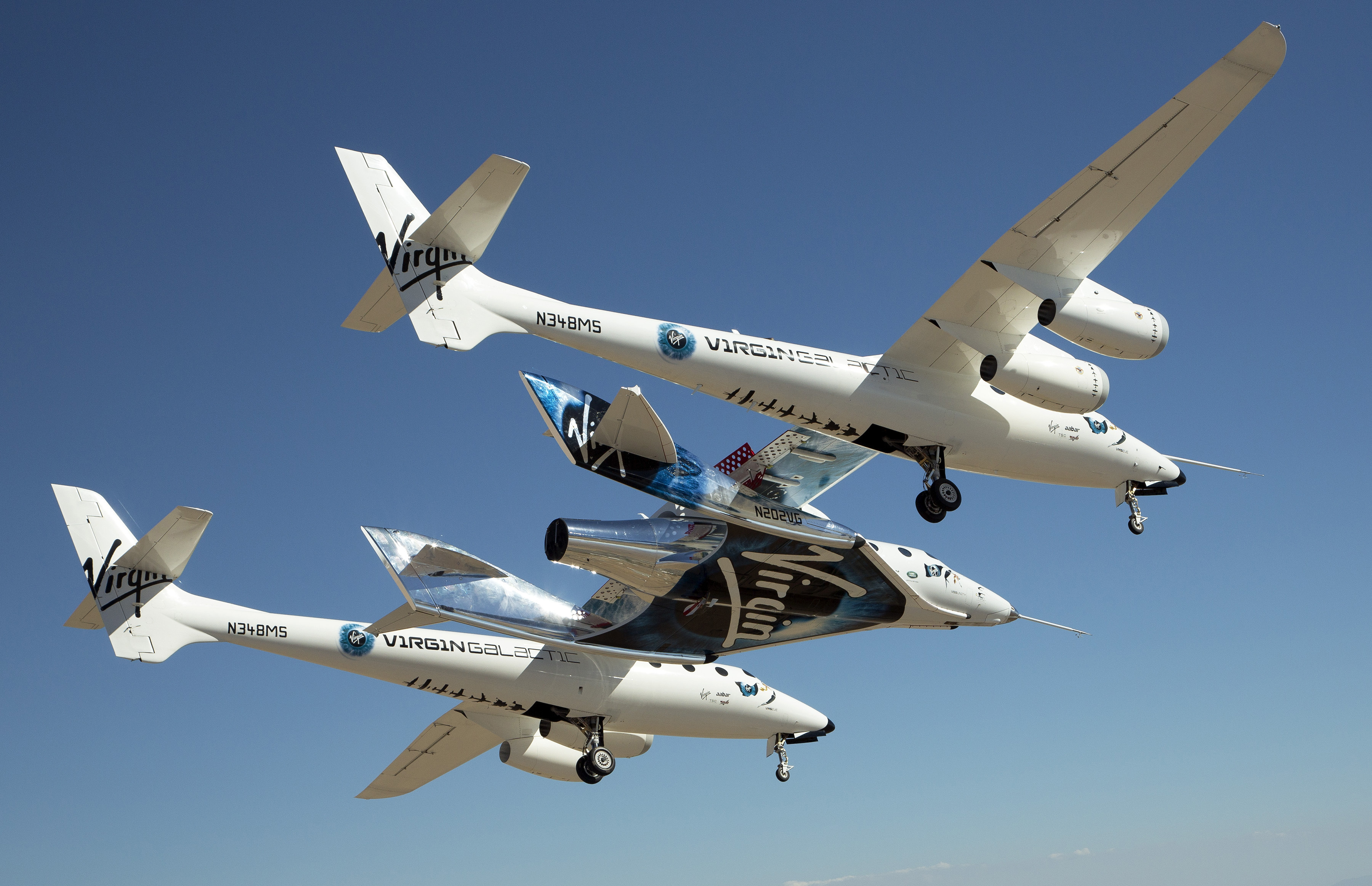
More recently, the commercial spaceflight company Virgin Galactic has been developing their own air launch to orbit system. In conjunction with Scaled Composites, they have so far very successfully designed and built a launch system that that involves two components, the WhiteKnightTwo airplane and the SpaceShipTwo spacecraft. SpaceShipTwo is the first privately built and operated passenger carrying spacecraft. The craft is currently on track to become one of the first companies to send paying customers past the boundary of space. However, while the flight will afford several minutes of weightlessness and an excellent view, the current designs will not bring humans into orbital trajectory. Still, the technology is there and the possibility of expanding air launch to orbit systems to bring large payloads all the way into orbit is not far off.
 On the Horizon